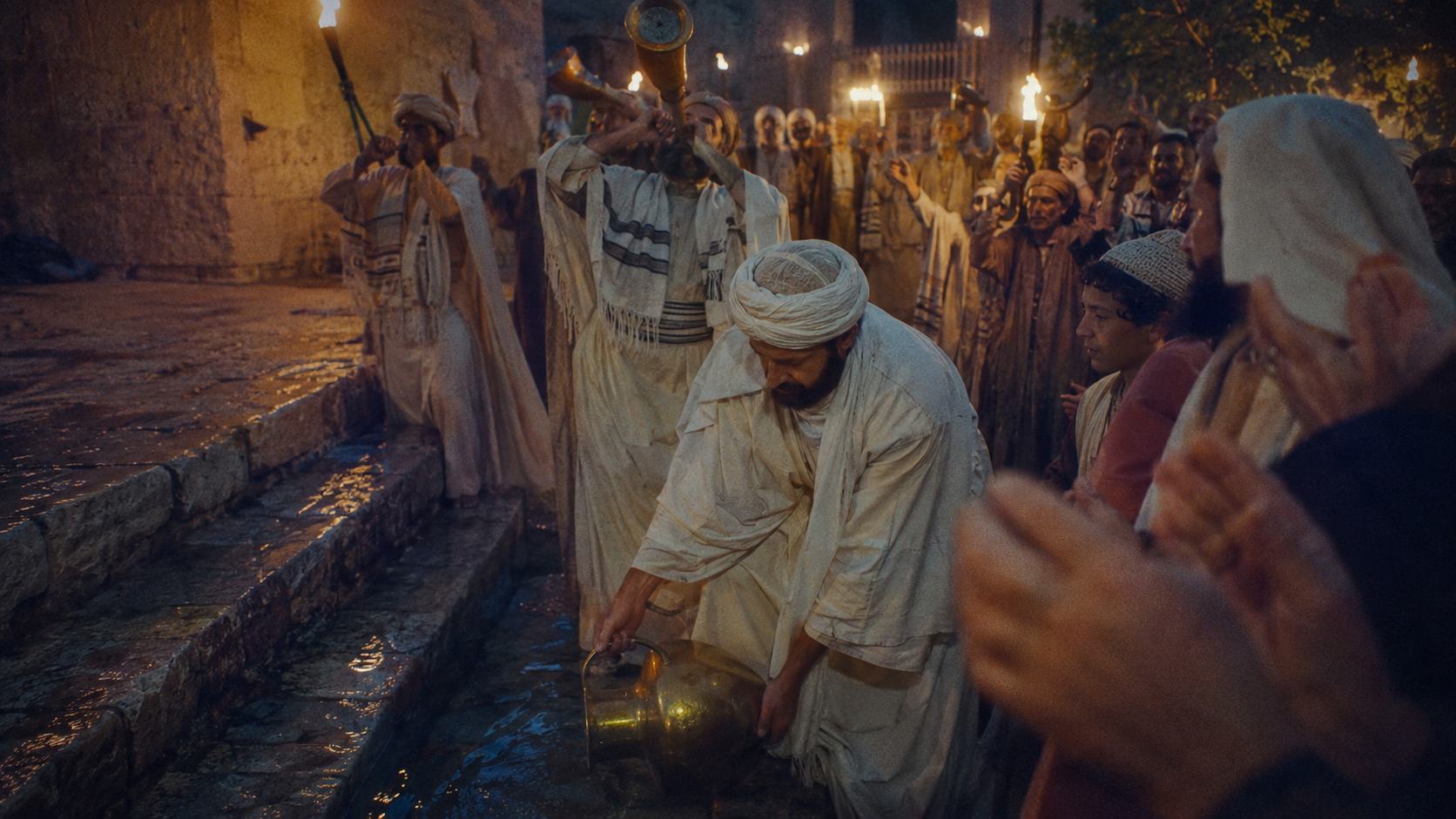
Priests pouring water from a golden pitcher during the Sukkot water ceremony, torches burning in the Temple courts

A study of the ICEJ Feast of Tabernacles

The Feast of Ingathering

Sukkot, Aliyah, and the living water. One river runs from a struck rock in the wilderness to a jetway at Ben Gurion, and it has not stopped flowing.

Follow the water

The invitation

Every autumn, as the harvest closes in the land of Israel, pilgrims from more than one hundred nations climb toward Jerusalem. They come from China and Brazil, from Nigeria and Norway, from the Pacific islands and the plains of Africa, carrying flags, wearing the dress of home, speaking in a hundred tongues. They gather for one reason: to keep the Feast of Tabernacles in the city God chose.

This gathering is not a conference. It is a rehearsal. Zechariah saw a day when the survivors of all the nations would go up year after year to worship the King and keep the Festival of Tabernacles, and every October in Jerusalem that sentence is acted out in advance by people who mean it.

This book follows two streams to their meeting point. The first is water: drawn from the Pool of Siloam, poured on the altar, promised by the prophets, claimed by Jesus in the Temple courts, poured out at Pentecost. The second is the ingathering of a people, scattered to the four quarters of the earth and now coming home. Sukkot is where both arrive.

Sukkot is one of the three pilgrimage feasts, kept on the fifteenth day of the seventh month for seven days, with an eighth day of assembly.

Chag HaAsif, the Feast of Ingathering, is its agricultural name. It sits at the hinge of the year: the harvest is in, the fields lie empty, and the whole nation looks up for rain.

Seventy bulls were offered across the seven days, thirteen on the first and one fewer each day. The rabbis read them as offerings for the seventy nations. The feast looked outward from the beginning.

What Scripture commands

Three signs of a feast
built on dependence

סוכה

Live in the booth

For seven days Israel leaves the safety of a permanent house for a shelter of branches, remembering the wilderness when God tented among them. The booth is a statement of dependence. Our roof is His presence, not our stone.

Leviticus 23:42, 43
ארבעת המינים

Wave the four species

Citron, palm, myrtle and willow are bound together and waved north, south, east, west, upward and downward. The gesture confesses that every direction of the world, and every crop in it, belongs to the God who sends the rain.

Leviticus 23:40
ושמחת

Rejoice, and leave no one out

Three times the command to rejoice is given, and the guest list is spelled out: sons and daughters, servants, Levites, the foreigner, the fatherless, the widow. Joy that excludes anyone is not the joy this feast asks for.

Deuteronomy 16:13, 15

The prophets saw the nations coming

On that day living water will flow out from Jerusalem, half to the eastern sea and half to the western sea, in summer and in winter.
Zechariah 14:8

The water ceremony, Second Temple period

Simchat Beit HaShoevah

No verse of the written Torah commands water on the altar. The rabbis found the instruction hidden in the letters, kept it as a law given orally at Sinai, and built around it the loudest night of the Jewish year.

Dawn

Down to the Pool of Siloam

A priest descends with a golden pitcher holding about three logs, roughly a liter and a half. The crowd presses in around him and sings the anthem of the ceremony: "With joy you will draw water from the wells of salvation."

The ascent

Back through the Water Gate

Shofars sound as he re-enters. The gate carries the name of this one ritual. The sages taught that the waters of the deep once cried out at creation and were promised a day on the altar. This was the hour they were answered.

The pouring

Water and wine, one offering

On the southwest corner, two silver bowls with narrow spouts. Wine into one, water into the other, poured at the same moment so that the blood of the grape and the rain of heaven run down the altar together.

Nightfall

The courtyards catch fire with light

Golden candelabras are raised in the Court of Women until no courtyard in Jerusalem is left dark. Men of devotion dance with torches, the Levites play on the fifteen steps, and the city does not sleep. "Whoever has not seen this rejoicing has never seen rejoicing."

The hidden word

Three times in the Sukkot offerings of Numbers 29, a word carries one letter more than it needs: a mem on the second day, a yud on the sixth, a mem on the seventh. Lift the three out and they spell mayim, water. The Talmud reads them as the hint the written text withholds and the oral tradition supplies.

Taanit 2b · Sukkah 34a · Rosh Hashanah 16a

Second day · Num 29:19 ונסכיהם
Sixth day · Num 29:31 ונסכיה
Seventh day · Num 29:33 כמשפטם
מַיִםMayim · water

On the last and greatest day of the feast

Let anyone who is thirsty come to me and drink.
John 7:37

The Greek verb is a shout. Jesus interrupts a liturgy at full volume on the day it reaches its height, and moves the ceremony off the altar and onto himself. The ritual admitted one priest with one pitcher. He says anyone. The anthem the crowds had been singing all week promised water drawn from the wells of yeshuah, salvation. They were singing his name without knowing it.

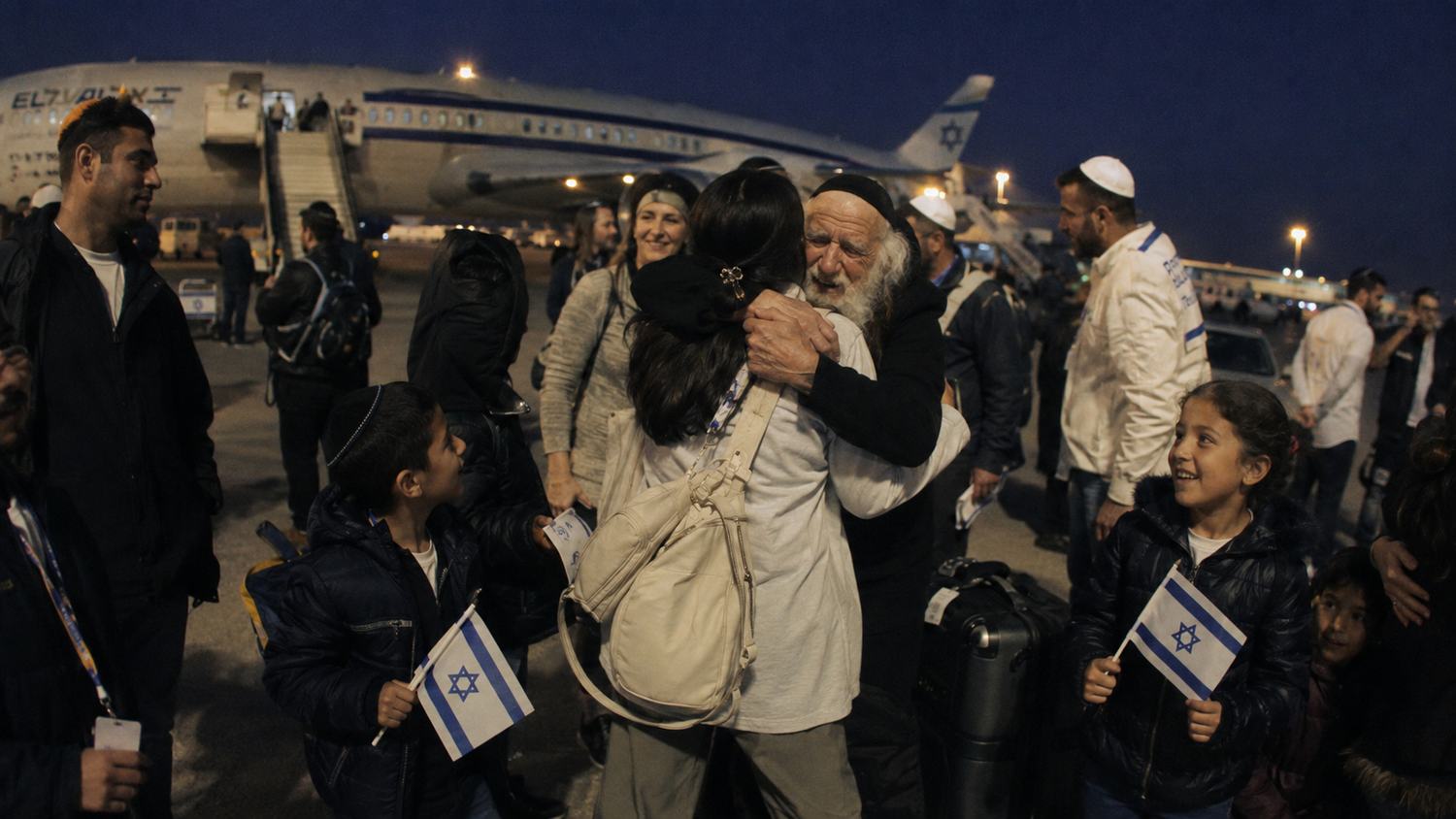
New immigrants embracing on the tarmac beside an El Al aircraft, children holding Israeli flags

Part four

The harvest of the field and the harvest of the exiles carry the same Hebrew root. Sukkot celebrates both.

Aliyah

The ingathering
has a departure gate

Isaiah wrote of a second reaching out of God's hand, a banner raised for the nations, the scattered assembled from the four quarters of the earth. Jeremiah promised a gathering from the land of the north. Ezekiel joined the return to clean water and a new spirit, one work of one faithful God.

Since 1980 the International Christian Embassy Jerusalem has read those pages as an assignment. Flights funded. Immigrants met and settled. Communities under pressure advocated for. Tens of thousands of Jewish people helped home from the former Soviet Union, Ethiopia, Europe, the Americas and beyond.

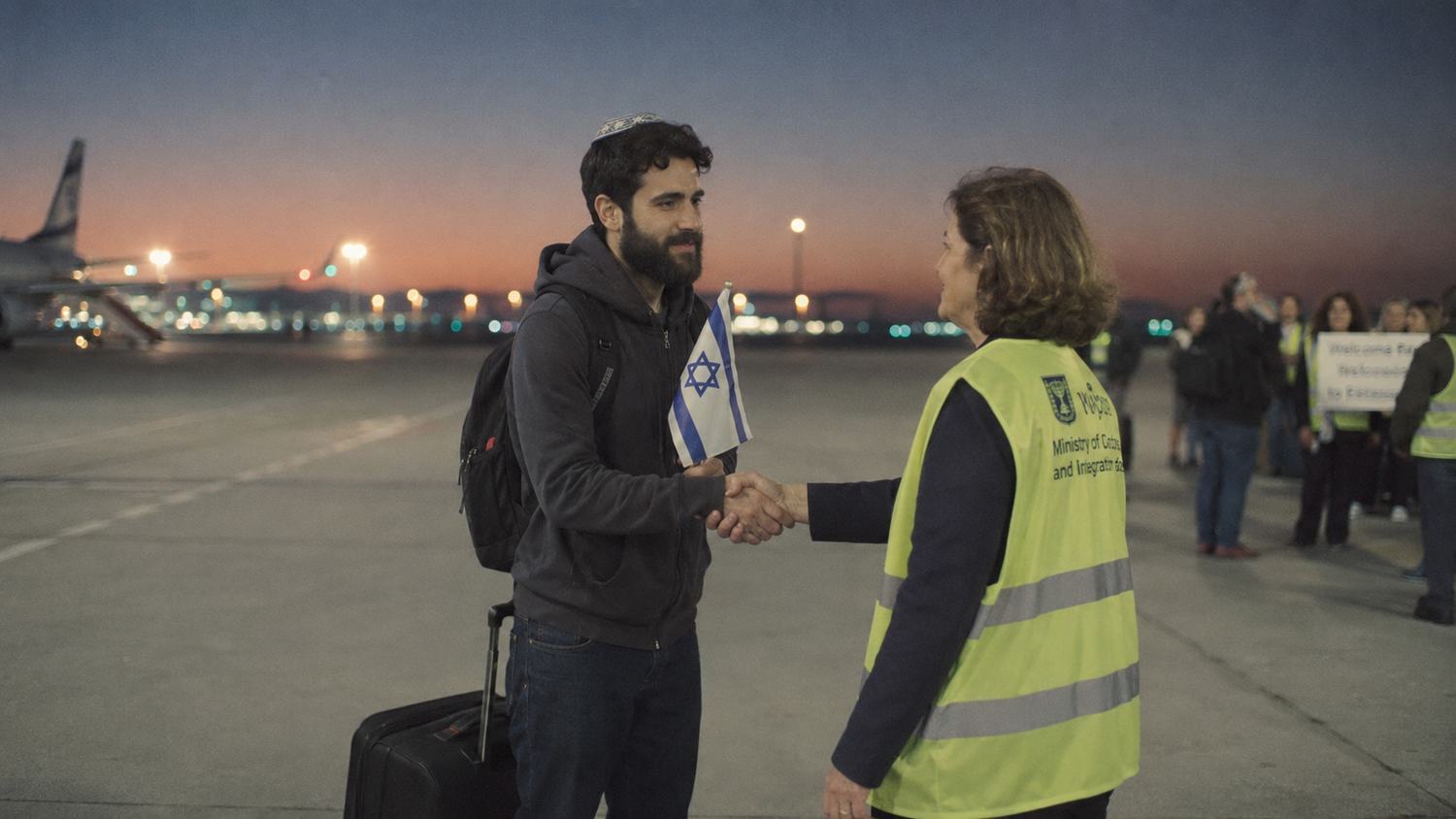
Isaiah said the nations would bring the sons of Israel in their arms and carry the daughters on their hips. It reads like poetry until you stand on the tarmac at Ben Gurion before sunrise and watch it happen with luggage.

A new immigrant holding an Israeli flag is welcomed on the tarmac by an absorption ministry volunteer at dawn
Arrival, Ben Gurion Airport
1980The embassy opens in Jerusalem as a Christian response to the moving of embassies out of the city
100+Nations represented each year at the Feast of Tabernacles celebration
70Bulls offered across the seven days, one for each nation of the earth

Until the final ingathering

The river is still flowing

It begins at a struck rock in the desert and runs through the Torah, through the Temple courts on a torchlit night, through the prophets who promised rain on dry ground, through a shout on the last day of the feast, through Pentecost, and into people who have themselves become the place where God dwells. Ezekiel measured it as it deepened: ankle, knee, waist, and then a river no one could cross.

The nations are still going up. The exiles are still coming home. We build our fragile booths, wave the branches, pray for rain, welcome the stranger to the table, and hold the door open for the ones still on their way.

Save us, Lord our God, and gather us from the nations, that we may give thanks to your holy name.

Psalm 106:47